Vienna Symphonic Library
Products
Synchron
Synchron Series
Synchron Pianos
Big Bang Orchestra
Starter
HELLO Free Instruments 🔥
Synchron Prime Edition
Special Editions
Smart Series
Software
Vienna Ensemble Pro
Vienna MIR Pro 3D
Vienna Suite Pro
Vienna Power House
VI Series & More
VI Series
Freebies
Vienna Voucher
News
Music
Forum
Academy
Instrumentology
Strings
Brass
Woodwinds
Percussion
more...
Discover Strings
Violin
Cello
Double Bass
Harp
more...
Discover Brass
Trumpet in C
Horn in F
Tenor Trombone
Bass Tuba
more...
Discover Woodwinds
Concert Flute
Oboe
Clarinet in Bb
Bassoon
more...
Support
Software Manuals
Vienna Assistant
Vienna Ensemble Pro 7
Synchron Player
Synchron Piano Player
more...
Instrument Manuals
Big Bang Orchestra
Synchron Collection
Special Editions
Changelogs
more...
Tutorials & FAQs
Installation iLok
iLok Video Overview
Sibelius Integration
FAQs
more...
Company
About Us
Team
Press Area
Contact
Send a Message...
en
|
de
Toggle Light/Dark
My
VSL
My
Profile
Login
These instruments can be placed in any virtual acoustic environment
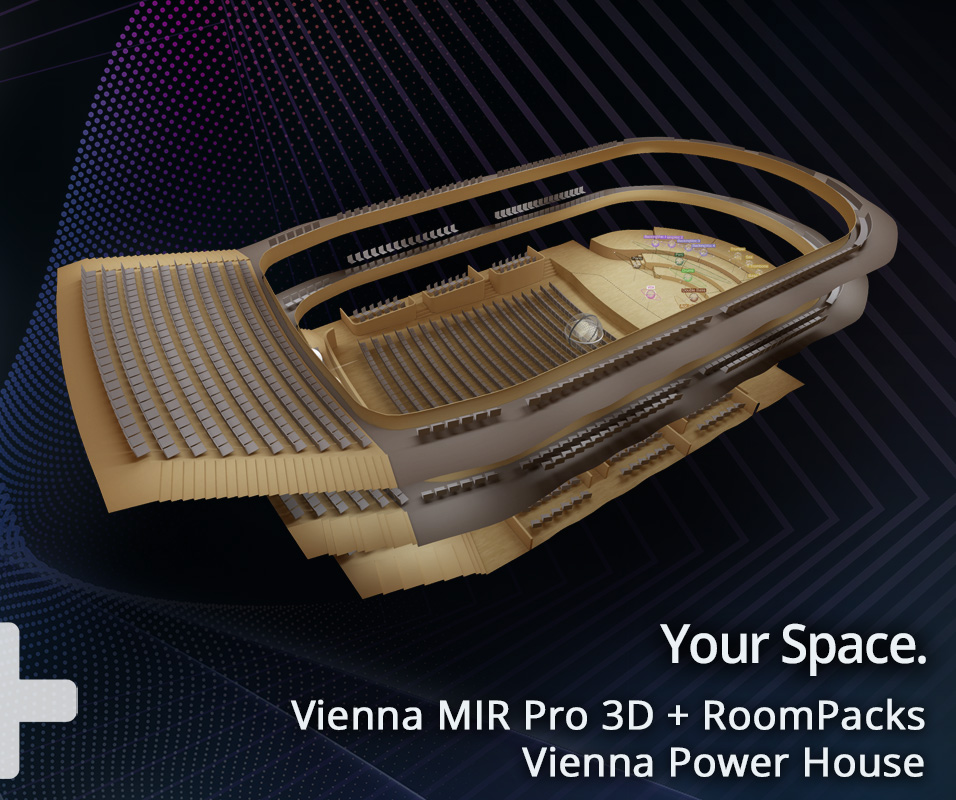
Mixing to the Power of 3
Get your FREE Instruments here!
Extraordinary musicianship, software innovation and exceptional acoustics
Uniting the best of both worlds
Create large orchestrations in no time